Autism & Iodine/Thyroid - Selected Literature
Posted: Fri Jun 13, 2025 9:08 am
NOTE: Copied from Autism forum on Nov. 12, 2025, updated April 2026.
Adams JB, Holloway CE, George F, Quig D - "Analyses of toxic metals and essential minerals in the hair of Arizona children with autism and associated conditions, and their mothers" Biol Trace Elem Res 110(3):193-209 (2006)
https://doi.org/10.1385/BTER:110:3:193
"Iodine levels were 45% lower in the children with autism (p=0.005)...Low iodine levels are consistent with previous reports of abnormal thyroid function, which likely affected development of speech and cognitive skills."
Adıgüzel Akman Ö, Esnafoglu E - "Evaluation of procalcitonin and C-reactive protein levels in children with autism spectrum disorder and attention deficit hyperactivity disorder" Int J Dev Disabil 71(1):159-167 (2023)
https://doi.org/10.1080/20473869.2023.2213923
Procalcitonin (PCT) is an inflammatory biomarker released by thyroid parafollicular cells...PCT and CRP values were found to be statistically significantly higher in ASD and ADHD children compared to healthy controls (p < 0.05).
https://pubmed.ncbi.nlm.nih.gov/24605987/
"Maternal hyperthyroidism diagnosed and treated for the first time after the birth of the child increased the risk of ADHD in the child (adjusted HR 1.23; 95% CI 1.05-1.44), whereas hypothyroidism increased the risk of ASD (adjusted HR 1.34; 95% CI 1.14-1.59)."
https://doi.org/10.1016/j.neuroscience.2025.09.009
"Alterations in multiple endocrine axes were consistently associated with ASD, including prenatal thyroid imbalances, cortisol rhythm dysregulation, aberrant IGF-1 levels, elevated fetal steroidogenic activity, and impaired oxytocin signaling."
Anselmo J, Scherberg NH, Dumitrescu AM, Refetoff S - "Reduced sensitivity to thyroid hormone as a transgenerational epigenetic marker transmitted along the human male line" Thyroid 29(6):778-782 (2019)
https://doi.org/10.1089/thy.2019.0080
In families where F0 mothers had high TH due to a mutation, reduced TH sensitivity persists in wild type F2 and F3 descendants along the male line, despite no direct TH overexposure, which strongly supports transgenerational epigenetic inheritance via sperm.
Axelstad M, Hansen PR, Boberg J, Bonnichsen M, Nellemann C, Lund SP, Hougaard KS, Hass U – "Developmental neurotoxicity of propylthiouracil (PTU) in rats: relationship between transient hypothyroxinemia during development and long-lasting behavioural and functional changes" Toxicol Appl Pharmacol 232(1):1-13 (2008). doi: 10.1016/j.taap.2008.05.020
"The results showed that PTU-induced hypothyroxinemia influenced the developing rat brain, and that all effects on behaviour and loss of hearing in the adult offspring were significantly correlated to reductions in T(4) during development. This supports the hypothesis that decreased T(4) may be a relevant predictor for long-lasting developmental neurotoxicity."
Bakke JL, Lawrence NL, Robinson S, Bennett J - "Endocrine studies in the untreated F1 and F2 progeny of rats treated neonatally with thyroxine" Biol Neonate 31(1-2):71-83 (1977)
https://pubmed.ncbi.nlm.nih.gov/402955/
Bakke JL, Lawrence NL, Bennett J, Robinson S - "The late effects of neonatal hyperthyroidism upon the feedback regulation of TSH secretion in rats" Endocrinology 97(3):659-64 (1975)
https://pubmed.ncbi.nlm.nih.gov/809256/
Berbel P, Navarro D, Román GC - "An evo-devo approach to thyroid hormones in cerebral and cerebellar cortical development: etiological implications for autism" Front Endocrinol (Lausanne) 5:146 (2014). doi: 10.3389/fendo.2014.00146
https://www.ncbi.nlm.nih.gov/pmc/articles/PMC4158880/
https://www.mdpi.com/2077-0383/11/3/579
https://pubmed.ncbi.nlm.nih.gov/26854242/
"The severity of certain symptoms in autism is associated with iodine status in maturing boys. Thyroid hormones were within normal reference ranges in both groups while urinary iodine was significantly lower in autistic boys suggesting that further studies into the nonhormonal role of iodine in autism are required."
Błażewicz A, Niziński P, Dolliver I, Dolliver W, Makarewicz A, Skórzyńska-Dziduszko K - "Alterations of urinary perchlorate levels in euthyroid postpubertal children with autism spectrum disorder" J Trace Elem Med Biol 68:126800 (2021)
https://doi.org/10.1016/j.jtemb.2021.126800
"The ASD group presented with significantly higher perchlorate urine levels than the controls (median = 1.05 μg/L, interquartile range(IQR) = 1.5 versus median = 0.09 μg/L, IQR = 0.097, respectively), as well as lower iodide urine levels (median = 100.2 μg/L, IQR = 37 versus median = 156.95 μg/L, IQR = 26.11, respectively). The ASD group presented significantly lower TSH and higher free thyroid hormone (fT4, fT3) levels than the controls."
Brown AS, Surcel HM, Hinkka-Yli-Salomäki S, Cheslack-Postava K, Bao Y, Sourander A - "Maternal thyroid autoantibody and elevated risk of autism in a national birth cohort" Prog Neuropsychopharmacol Biol Psychiatry 57:86-92 (2015) doi: 10.1016/j.pnpbp.2014.10.010
https://linkinghub.elsevier.com/retriev ... 14)00201-2
"Results: The prevalence of maternal TPO-Ab+ was significantly increased in pregnancies giving rise to autism cases (6.15%) compared to controls (3.54%). The odds of autism were increased by nearly 80% among offspring of mothers who were TPO-Ab+ during pregnancy (OR=1.78, 95% CI=1.16-2.75, p=0.009), compared to mothers negative for this autoantibody. There was also a significant relationship between maternal TPO-Ab defined as a continuous variable and odds of autism (OR=1.09, 95% CI=1.01, 1.17, p=0.02). Measures of maternal thyroid hormones did not differ between groups."
"The availability of FT(4) for embryonic and fetal tissues would decrease in hypothyroxinemic women, even if they were euthyroid. A decrease in the availability of FT(4), a major precursor of intracellular nuclear receptor-bound T(3), may result in adverse effects on the timely sequence of developmental events in the human fetus."
Chang K, Shin JI – "Association of gestational maternal hypothyroxinemia and increased autism risk: the role of brain-derived neurotrophic factor" Ann Neurol 75(6):971 (2014). doi: 10.1002/ana.24143
https://onlinelibrary.wiley.com/doi/10.1002/ana.24143
de Assis Moreira Horta Santos P, da Silva Gama L, Lambert Rodrigues MC, Silva de Rezende OC, Andrade Dias S, Dias D'Andrea R, César de Oliveira J - "Association Between Maternal Thyroid Disorders and the Risk of Offspring Being Born With Autism Spectrum Disorder (ASD): A Systematic Review" OWL Journal - Interdisciplinary Journal of Teaching and Education (2026) [In Portugese]
https://doi.org/10.5281/zenodo.19488129
Demircan K, Chillon TS, Jensen RC, Jensen TK, Sun Q, Bonnema SJ, Glintborg D, Bilenberg N, Andersen MS, Schomburg L - "Maternal selenium deficiency during pregnancy in association with autism and ADHD traits in children: The Odense Child Cohort" Free Radic Biol Med 220:324-332 (2024)
https://doi.org/10.1016/j.freeradbiomed.2024.05.001
"The results provide coherent evidence for selenium deficiency as a risk factor for ADHD and ASD traits in an environment with borderline supply, the causality of which should be elucidated in a randomized controlled trial."
NOTE: Selenium is an essential component of the three deiodinases.
Desoky T, Hassan MH, Fayed HM, Sakhr HM - "Biochemical assessments of thyroid profile, serum 25-hydroxycholecalciferol and cluster of differentiation 5 expression levels among children with autism" Neuropsychiatr Dis Treat 13:2397–2403 (2017)
https://doi.org/10.2147/NDT.S146152
"The overall measurement results show significant higher mean serum TSH levels, mean CD5 expression levels with significant lower mean serum 25(OH)D levels among autistic children when compared with the control group (p<0.05 for all). Significant negative correlations between CD5 with FT3, FT4 and 25(OH)D were observed. CARS score showed significant negative correlations with both FT3 and 25(OH)D, while it was positively correlated with CD5 in a significant manner (p<0.05 for all)...High TSH serum levels among autistic children, although within the physiological range, reflect the presence of thyroid dysfunction among such children, which needs further assessment."
Du J, Xu X, Yuan N, Zhang X - "Effect of maternal isolated hypothyroxinemia in the first trimester on offspring neurodevelopment: a prospective cohort study" Front Endocrinol (Lausanne) 17:1734708 (2026)
DOI: 10.3389/fendo.2026.1734708
Maternal IH in the first trimester is associated with lower intellectual developmental scores and higher scores on screening scales for symptoms related to attention-deficit/hyperactivity disorder and autism spectrum disorder in the offspring.
Elbedour L, Weinberg M, Meiri G, Michaelovski A, Menashe I - "Maternal Thyroid Hormone Imbalance and Risk of Autism Spectrum Disorder" The Journal of Clinical Endocrinology & Metabolism 0(0):dgaf596 (2025)
https://doi.org/10.1210/clinem/dgaf596
Retrospective birth cohort study reporting that adequately treated chronic hypothyroidism was not associated with ASD, while persistent thyroid hormone imbalance across pregnancy (including combined chronic plus gestational hypothyroidism and longer duration across trimesters) was associated with higher ASD risk.
Faruk MO, Rahman MS, Rana MS, Mahmud S, Al-Neyma M, Karim MS, Alam N - "Socioeconomic and demographic risk factors of autism spectrum disorder among children and adolescents in Bangladesh: Evidence from a cross-sectional study in 2022" PLoS One 18(8):e0289220 (2023). doi: 10.1371/journal.pone.0289220
https://www.ncbi.nlm.nih.gov/pmc/articles/PMC10403138/
Fowler LF, Burry TN, Maekawa AS, Cahill LS - "A systematic review and experimental study of micro/nanoplastic-induced endocrine disruption in rodents: Potential links to autism spectrum disorder" Horm Behav 175:105818 (2025)
https://doi.org/10.1016/j.yhbeh.2025.105818
"Recent research shows that microplastic (diameter < 5 mm) and nanoplastic (diameter < 1 μm) exposures can have endocrine-disrupting effects and lead to autism spectrum disorder (ASD)-like behaviours in rodent models...Cytokines, interleukin-2 (IL-2) and interleukin-6 (IL-6), and triiodothyronine (T3) were significantly altered in the fetal brain following prenatal exposure to NPs, and thyroxine (T4) and T were significantly suppressed in female NP-exposed fetuses but not in males. Together, these findings demonstrate that MNP exposure during adulthood and early development affect multiple endocrine systems, including those implicated in autism spectrum disorder, in a sex-dependent manner."
Frye RE, Wynne R, Rose S, Slattery J, Delhey L, Tippett M, Kahler SG, Bennuri SC, Melnyk S, Sequeira JM, Quadros EV - "Thyroid dysfunction in children with autism spectrum disorder is associated with folate receptor α autoimmune disorder" J Neuroendocrinol 29(3) (2017) doi: 10.1111/jne.12461
"51% had elevated rT3 levels...TSH concentration was positively and the FT4/TSH, TT3/TSH and rT3/TSH ratios were inversely related to blocking FRAA titres. On repeated measurements, changes in TSH and FT4/TSH ratio were found to correspond to changes in blocking FRAA titres. TSH and the FT4/TSH, TT3/TSH and rT3/TSH ratios were related to irritability on the Aberrant Behavior Checklist and several scales of the Social Responsiveness Scale (SRS), whereas TT3 was associated with SRS subscales and TRH was related to Vineland Adaptive Behavior Scale subscales. The thyroid showed significant FRα expression during the early prenatal period, although expression decreased significantly in later gestation and postnatal thyroid tissue. The results of the present study suggest that thyroid dysfunction in ASD may be related to blocking FRAA."
https://doi.org/10.1210/clinem/dgaa555
"We identified 29 eligible articles and found an association between maternal hyperthyroidism and attention deficit hyperactivity disorder (ADHD) (OR: 1.18, 95% CI: 1.04-1.34, I2 = 0%) and epilepsy (OR: 1.19, 95% CI: 1.08-1.31, I2 = 0%) in offspring; as well as an association of maternal hypothyroidism with increased risk of ADHD (OR: 1.14, 95% CI: 1.03-1.26, I2 = 25%), autism spectrum disorder (OR: 1.41, 95% CI: 1.05-1.90, I2 = 63%), and epilepsy (OR: 1.21, 95% CI: 1.06-1.39, I2 = 0%) in offspring. Conclusion: Routine measurement and timely treatment on thyroid function should be considered for pregnant women."
Getahun D, Jacobsen SJ, Fassett MJ, Wing DA, Xiang AH, Chiu VY, Peltier MR - "Association between maternal hypothyroidism and autism spectrum disorders in children" Pediatr Res 83(3):580-588 (2018)
https://doi.org/10.1038/pr.2017.308
"Maternal hypothyroidism was associated with ASD for both boys (3.93 vs. 2.62/1,000 person-years; adj.HR, 1.27; 95% CI, 1.07-1.50) and girls (1.10 vs. 0.61/1,000 person-years; adj.HR, 1.51; 95% CI, 1.10-2.08)...Compared with white children, prenatal hypothyroidism was associated with an increased risk of ASD in children of Hispanics (adj.HR, 1.09; 95% CI, 1.01-1.17) and women of other/mixed race-ethnicity (adj.HR, 1.08; 95% CI, 1.00-1.16).Conclusion: Maternal hypothyroidism is associated with ASD in children in a manner dependent on race-ethnicity. Management of maternal hypothyroidism may ameliorate the risk of ASD."
Giannocco G, Kizys MML, Maciel RM, de Souza JS - "Thyroid hormone, gene expression, and Central Nervous System: Where we are" Semin Cell Dev Biol 114:47-56 (2021)
https://doi.org/10.1016/j.semcdb.2020.09.007
"We conclude that TH, more precisely T3, acts mainly throughout its nuclear receptors, that the deficiency of this hormone, either due to the lack of its main substrate iodine, or by to incorrect organification of T4 and T3 in the gland, or by a mutation in transporters, receptors and deiodinases may cause mild (dysregulated mood in adulthood) to severe neurological impairment (Allan-Herndon-Dudley syndrome, presented as early as childhood); T3 is responsible for the expression of numerous CNS genes related to oxygen transport, growth factors, myelination, cell maturation. Substances present in the environment and widely used can interfere with the functioning of the thyroid gland, the action of TH, and the functioning of the CNS."
Gillberg IC, Gillberg C, Kopp S – "Hypothyroidism and autism spectrum disorders" J Child Psychol Psychiatry 33(3):531-542 (1992). doi: 10.1111/j.1469-7610.1992.tb00889.x
https://pubmed.ncbi.nlm.nih.gov/1577897/
These findings support that gestational HTX constitutes a significant risk factor for the development of autism-like phenotypes in the offspring and strongly emphasizes the importance of monitoring thyroid function in early pregnancy.
Guo H, Yang J, Zhang X, Feng X, Yang H, Xu Y, Deng Y - "The impact of treatment on offspring's intellectual and motor development in TPOAb-negative SCH pregnant women in early pregnancy" Journal of Zhengzhou University Medical Sciences 2:302-304 (2019) PFPC Library
Offspring of women who are TPOAb positive in early pregnancy show a significant decrease in intelligence and motor development index, and the higher the TPOAb titer, the greater the decrease.
Hamza RT, Hewedi DH, Sallam MT - "Iodine deficiency in Egyptian autistic children and their mothers: relation to disease severity" Arch Med Res 44(7):555-61 (2013) doi: 10.1016/j.arcmed.2013.09.012
"Of autistic children and their mothers, 54% and 58%, respectively, were iodine deficient. None of the control children or their mothers was iodine deficient...Positive correlations were detected between autistic patients and their mothers regarding UI (r = 0.88, p <0.001), fT3 (r = 0.79, p = 0.03), fT4 (r = 0.91, p <0.001) and TSH (r = 0.69, p = 0.04)."
Hancock M, Zhang R, Brown SJ, Boyder C, Mullin S, Campbell PJ, Wilson SG, Lim EM, Whitehouse AJO, Walsh JP - "Circulating thyroid hormones and metabolites in children with autism spectrum disorder" Front Endocrinol (Lausanne) 16:1716586 (2026) doi: 10.3389/fendo.2025.1716586
https://www.frontiersin.org/journals/en ... 16586/full
NOTE: many problems with this study: Non-fasting collection and no standardized collection time; Control group composition is heavily sibling-based; Very large sex imbalance between groups; Medication use differs strongly by group and is not clearly handled beyond a short exclusion list - antidepressant/anxiolytic 24.5% in ASD vs 5.7% siblings; melatonin 9.0% vs 1.9%; anticonvulsant 2.9% vs 0% --> anti-depressants are well-known to affect thyroid hormone metabolism).
Hashimoto T, Aihara R, Tayama M, Miyazaki M, Shirakawa Y, Kuroda Y - "Reduced thyroid-stimulating hormone response to thyrotropin-releasing hormone in autistic boys" Dev Med Child Neurol 33(4):313-319 (1991)
https://doi.org/10.1111/j.1469-8749.1991.tb14882.x
"The autistic boys were divided into two groups: DQ(IQ) greater than or equal to 80 and DQ(IQ) less than 80. Mean TSH basal and peak levels were significantly lower in both autistic groups than in the MR, MBD and control groups. Mean TSH peak value minus basal value (p-b) was significantly lower in both autistic groups than in the control group."
Hay I, Hynes KL, Burgess JR - "Mild-to-Moderate Gestational Iodine Deficiency Processing Disorder" Nutrients 11(9):1974 (2019)
https://doi.org/10.3390/nu11091974
"This paper links the results from each study and maintains that mild-to-moderate GID [Gestational Iodine Deficiency] is associated with a disorder that is characterized by speed of neural transmitting difficulties that are typically associated with working memory capacity difficulties and attention and response inhibition. The authors maintain that this disorder is better identified as Gestational Iodine Deficiency Processing Disorder (GIDPD), rather than, what to date has often been identified as 'suboptimal development'. The Autistic Spectrum Disorder (ASD), Attention Deficit, Hyperactivity Disorder (ADHD), language and literacy disorders (learning disabilities and dyslexia) are the main manifestations associated with GIDPD."
Hernandez A - "Spermatogonial Dio3 as a potential germ line sensor for thyroid hormone-driven epigenetic inheritance" Biol Reprod 105(3):613-615 (2021)
https://www.ncbi.nlm.nih.gov/pmc/articles/PMC8444671/
Hernandez A, Martinez ME, Chaves C, Anselmo J - "Epigenetic developmental programming and intergenerational effects of thyroid hormones" Vitam Horm 122:23-49 (2023) doi: 10.1016/bs.vh.2023.01.003
Hernandez A, Stohn JP - "The Type 3 Deiodinase: Epigenetic Control of Brain Thyroid Hormone Action and Neurological Function" Int J Mol Sci 19(6):1804 (2018) https://pubmed.ncbi.nlm.nih.gov/29921775/
Hosokawa M, Iwasaki Y, Someya A, Tanigawa T - "Effects of low concentration of fluoride exposure during fetal on behavior and neurotransmitters in adult mice" Biomed Rep 22(5):81 (2025) doi: 10.3892/br.2025.1959
https://pmc.ncbi.nlm.nih.gov/articles/PMC11948299/
Huang H, Liu P, Ma D, Zhang H, Xu H, Zhou J, Zhao H, Zhao T, Li C - "Triiodothyronine attenuates neurocognitive dysfunction induced by sevoflurane in the developing brain of neonatal rats" J Affect Disord 297:455-462 (2022) doi: 10.1016/j.jad.2021.10.086
https://www.sciencedirect.com/science/a ... 272101154X
Kaplan ZB, Pearce EN, Lee SY, Shin HM, Schmidt RJ - "Maternal Thyroid Dysfunction During Pregnancy as an Etiologic Factor in Autism Spectrum Disorder: Challenges and Opportunities for Research" Thyroid 34(2):144-157 (2024) doi: 10.1089/thy.2023.0391
https://www.liebertpub.com/doi/10.1089/thy.2023.0391
"Findings from MARBLES support previous findings that maternal hypothyroidism during pregnancy is associated with an increased likelihood of ASD diagnosis....Findings from the ECHO align with previous research that also found minimal evidence of an association between maternal iodine status during pregnancy and child ASD traits."
Khan A, Harney JW, Zavacki AM, Sajdel-Sulkowska EM - "Disrupted brain thyroid hormone homeostasis and altered thyroid hormone-dependent brain gene expression in autism spectrum disorders" J Physiol Pharmacol 65(2):257-272 (2014)
"We report that some parameters measured, such as D2 are subject to rapid postmortem inactivation, while others that were analyzed showed both brain region- and sex-dependent changes. Levels of 3-NT were overall increased, T3 was decreased in the cortical regions of ASD brains, while mercury levels measured only in the extracortical regions were not different. The expression of several thyroid hormone (TH)-dependent genes was altered in ASD."
Kobayashi K, Tsuji R, Yoshioka T, Kushida M, Yabushita S, Sasaki M, Mino T, Seki T. - "Effects of hypothyroidism induced by perinatal exposure to PTU on rat behavior and synaptic gene expression." Toxicology 212(2-3):135-147 (2005)
https://doi.org/10.1016/j.tox.2005.04.012
Perinatal PTU-induced hypothyroidism in rats was associated with measurable behavioral changes and altered synaptic gene expression, consistent with thyroid hormone disruption during development affecting neurobehavioral outcomes. "At doses causing such behavioral alteration, expression of GAP-43 and M1 mRNAs was changed during neuronal network formation, suggesting that levels of these factors during development are important for accurate postnatal development and function."
Kopcikova M, Raskova B, Belica I, Bakos J, Celusakova H, Chladna Z, Zibolenova J, Ostatnikova D - "The relationship between serum thyroid hormone levels and symptoms severity in young children with autism" Endocr Regul 58(1) (2024)
https://doi.org/10.2478/enr-2024-0031
Levie D, Korevaar TIM, Bath SC, Dalmau-Bueno A, Murcia M, Espada M, Dineva M, Ibarluzea JM, Sunyer J, Tiemeier H, Rebagliato M, Rayman MP, Peeters RP, Guxens M - "Thyroid Function in Early Pregnancy, Child IQ, and Autistic Traits: A Meta-Analysis of Individual Participant Data" J Clin Endocrinol Metab 103(8):2967-2979 (2018)
https://academic.oup.com/jcem/article-l ... 2018-00224
Li L, Zhang J, Yang J, Ma Y, Li G – “Detection of free thyroxine in cerebrospinal fluid predicts autism-like behaviors in offspring rats induced by hypothyroidism during pregnancy” Journal of Sun Yat-Sen University (Medical Sciences) 46(6):1029-1040 (2025) PFPC Library
https://doi.org/10.13471/j.cnki.jsysus.2025.06.010
Pregnant Wistar rats with experimentally induced hypothyroidism produced offspring showing autism-like behaviors, including markedly reduced ultrasonic vocalizations and diminished social interaction. Cerebrospinal-fluid FT4 levels were significantly lowered from postnatal day 2 through 21 and correlated positively with both vocalization metrics and social-sniffing time, indicating that CSF FT4 may serve as a predictive biomarker for neurobehavioral deficits caused by maternal hypothyroidism.
Li S, Qin S, Zeng H, Chou W, Oudin A, Kanninen KM, Jalava P, Dong G, Zeng X - "Adverse outcome pathway for the neurotoxicity of Per- and polyfluoroalkyl substances: A systematic review" Eco Environ Health 3(4):476-493 (2024)
https://doi.org/10.1016/j.eehl.2024.08.002
Lin HY, Liang CS, Tsai SJ, Hsu JW, Huang KL, Su TP, Chen TJ, Bai YM, Hsu TW, Chen MH – "Congenital hypothyroidism and risk of subsequent autism spectrum disorder and attention-deficit/hyperactivity disorder in Taiwan" Psychiatry Clin Neurosci 78(11):721-725 (2024). doi: 10.1111/pcn.13733
https://onlinelibrary.wiley.com/doi/10.1111/pcn.13733
"Children with CHT were associated with approximately a two-fold increased risk of ADHD and a four-fold increased risk of ASD than the control group. Our study highlights the need for future research to elucidate the potential pathophysiology among CHD, ASD, and ADHD."
Liu D, Tao K, Sun Y, Hao J, Wang S - "The role of the Wnt/BDNF pathway in maternal SCH-induced autism-like phenotypes in offspring rats: behavioral and molecular mechanisms" Transl Psychiatry 15(1):387 (2025)
https://doi.org/10.1038/s41398-025-03570-6
"Our study further reveals that impaired Wnt/BDNF signaling may play a pivotal role in the pathogenesis of autism-like behaviors in these offspring. Moreover, sex-specific differences were observed in the behavioral manifestations, with male offspring showing more pronounced deficits, suggesting a gender-dependent sensitivity to maternal SCH."
https://doi.org/10.1002/aur.70052
"The meta-analysis revealed no significantly changed blood levels of thyroxine, free triiodothyronine, free thyroxine, and IGF-1 of subjects with ASD compared to non-autistic controls. The blood TSH levels were significantly lower in ASD subjects than in controls (n = 859, Hedges' g = -1.18, 95% CI: -2.17 to -0.20, p = 0.02). Subgroup-analysis results showed that blood free triiodothyronine (n = 153, Hedges' g = -0.74, 95% CI: -1.08 to -0.40, p < 0.0001, I2 = 2%), free thyroxine (n = 153, Hedges' g = -0.72, 95% CI: -1.31 to -0.14, p = 0.02, I2 = 66%), and IGF-1 (n = 397; Hedges' g = -0.92; 95% CI: -1.30 to -0.55, p < 0.00001, I2 = 63%) levels were significantly reduced in subjects with severe ASD symptoms. Individuals with severe ASD may experience a dysfunction of the hypothalamic-pituitary-thyroid axis, and further studies are warranted to determine the correlation between thyroid hormone and IGF-1 levels and disease severity."
Luan S, Bi W, Shi S, Peng L, Li Z, Jiang J, Gao L, Du Y, Hou X, He Z, Zhao J - "Thyrotropin receptor signaling deficiency impairs spatial learning and memory in mice" J Endocrinol 246(1):41-55 (2020) doi: 10.1530/JOE-20-0026
https://joe.bioscientifica.com/view/jou ... 0-0026.xml
Martinez ME, Duarte CW, Stohn JP, Karaczyn A, Wu Z, DeMambro VE, Hernandez A - "Thyroid hormone influences brain gene expression programs and behaviors in later generations by altering germ line epigenetic information" Mol Psychiatry 25(5):939-950 (2020)
https://www.ncbi.nlm.nih.gov/pmc/articles/PMC6482106/
Martinez ME, Stohn JP, Mutina EM, Whitten RJ, Hernandez A - "Thyroid hormone elicits intergenerational epigenetic effects on adult social behavior and fetal brain expression of autism susceptibility genes" Front Neurosci 16:1055116 (2022) doi: 10.3389/fnins.2022.1055116
https://www.frontiersin.org/articles/10 ... 55116/full
Meng H, Bigambo FM, Gu W, Wang X, Li Y - "Evaluation of thyroid function tests among children with neurological disorders" Frontiers in Endocrinology (Lausanne) 15:1498788 (2024).
https://doi.org/10.3389/fendo.2024.1498788
In comparison to controls, children with neurological disorders exhibited a significant decrease in FT4 levels, while TSH levels remained unchanged. -> hypothyroxinemia
Moore CE, Sasidharan Pillai S, Austin J, Fredette ME, Serrano-Gonzalez M - "Severe Hypothyroidism and Large Goiter due to Iodine Deficiency in an Adolescent Male in the United States: A Case Report and Review of the Literature" Case Rep Endocrinol 2022:7235102 (2022)
https://doi.org/10.1155/2022/7235102
"We present the case of an adolescent male with a history of mild autism spectrum disorder and an extremely restrictive diet who was found to have iodine deficiency as the etiology for his rapidly enlarging goiter and antibody-negative hypothyroidism."
Morreale de Escobar G, Obregón MJ, Escobar del Rey F – "Is neuropsychological development related to maternal hypothyroidism or to maternal hypothyroxinemia?" J Clin Endocrinol Metab 85(11):3975-3987 (2000). doi: 10.1210/jcem.85.11.6961
https://pubmed.ncbi.nlm.nih.gov/11095417/
Opazo MC, Gianini A, Pancetti F, Azkcona G, Alarcón L, Lizana R, Noches V, Gonzalez PA, Marassi MP, Mora S, Rosenthal D, Eugenin E, Naranjo D, Bueno SM, Kalergis AM, Riedel CA - "Maternal hypothyroxinemia impairs spatial learning and synaptic nature and function in the offspring" Endocrinology 149(10):5097-5106 (2008)
https://doi.org/10.1210/en.2008-056
Rafiei F, Ghaderi H, Amini-Khoei H - "Levothyroxine mitigates autism-related behaviours in the maternally separated male mice possibly through manipulating hippocampal nitrite imbalance and neuroinflammation" World J Biol Psychiatry 27(4):379-391 (2026)
https://doi.org/10.1080/15622975.2026.2631519
"Levothyroxine, maybe through attenuating of the hippocampal nitrite imbalance and neuroinflammation, mitigates autism-related behaviours in MS mice."
Ren J, Markossian S, Guyot R, Aubert D, Brocard J, Wong J, Flamant F, Richard S - "Thyroid Hormones Act as a Timer for the Postnatal Maturation of Parvalbumin Neurons in Mouse Neocortex" Thyroid (Online ahead of print) (2025)
https://doi.org/10.1177/10507256251390868
Richard S, Ren J, Flamant F - "Thyroid hormone action during GABAergic neuron maturation: The quest for mechanisms" Front Endocrinol 14:1256877 (2023)
https://doi.org/10.3389/fendo.2023.1256877
"Rodent models of hypothyroidism have gradually pointed to GABAergic neurons as a main target of TH signaling during brain development...Unravelling the mechanisms of action of TH in the developing brain should help make progress in the prevention and treatment of several neurological disorders, including autism and epilepsy."
Román GC - "Autism: transient in utero hypothyroxinemia related to maternal flavonoid ingestion during pregnancy and to other environmental antithyroid agents" J Neurol Sci 262(1-2):15-26 (2007) doi: 10.1016/j.jns.2007.06.023
https://linkinghub.elsevier.com/retriev ... 07)00437-6
"A leading ecological study in Texas has correlated higher rates of autism in school districts affected by large environmental releases of mercury from industrial sources. Mercury is a well known antithyroid substance causing inhibition of deiodinases and thyroid peroxidase. The current surge of autism could be related to transient maternal hypothyroxinemia resulting from dietary and/or environmental exposure to antithyroid agents..."
Román GC, Ghassabian A, Bongers-Schokking JJ, Jaddoe VW, Hofman A, de Rijke YB, Verhulst FC, Tiemeier H – "Association of gestational maternal hypothyroxinemia and increased autism risk" Ann Neurol 74(5):733-742 (2013). doi: 10.1002/ana.23976
"Severe maternal hypothyroxinemia (n=136) was associated with an almost 4-fold increase in the odds of having a probable autistic child (adjusted odds ratio=3.89, 95% confidence interval [CI]=1.83-8.20, p<0.001). Using PDP scores, children of mothers with severe hypothyroxinemia had higher scores of autistic symptoms by age 6 years (adjusted B=0.23, 95% CI=0.03-0.37); SRS results were similar."
Rotem RS, Chodick G, Shalev V, Davidovitch M, Koren G, Hauser R, Coull BA, Seely EW, Nguyen VT, Weisskopf MG – "Maternal thyroid disorders and risk of autism spectrum disorder in progeny" Epidemiology 31(3):409-417 (2020). doi: 10.1097/EDE.0000000000001174
https://pubmed.ncbi.nlm.nih.gov/32251066/
"Children of mothers who ever experienced hypothyroidism had a higher risk of ASD compared with children of mothers without hypothyroidism (adjusted odds ratio [aOR] = 1.26, 95% confidence interval [CI] = 1.12, 1.42). The association with hyperthyroidism was less consistent, but elevated in main analyses (aOR = 1.42, 95% CI = 1.04, 1.94)."
Sadamatsu M, Kanai H, Xu X, Liu Y, Kato N - "Review of animal models for autism: implication of thyroid hormone" Congenit Anom (Kyoto) 46(1):1-9 (2006) doi: 10.1111/j.1741-4520.2006.00094.x.
https://pubmed.ncbi.nlm.nih.gov/16643592/
Proposal to use the rat with mild and transient neonatal hypothyroidism as a novel model for autism.
Saghazadeh A, Ahangari N, Hendi K, Saleh F, Rezaei N - "Status of essential elements in autism spectrum disorder: systematic review and meta-analysis" Rev Neurosci 28(7):783-809 (2017)
https://doi.org/10.1515/revneuro-2017-0015
"Urinary iodine levels in patients with ASD were decreased in comparison with controls (p=0.026)."
Salloum-Asfar S, Shin KC, Taha RZ, Khattak S, Park Y, Abdulla SA - "The Potential Role of Thyroid Hormone Therapy in Neural Progenitor Cell Differentiation and Its Impact on Neurodevelopmental Disorders" Mol Neurobiol doi: 10.1007/s12035-023-03751-8 (2023)
https://link.springer.com/article/10.10 ... 23-03751-8
"Comparison with the whole transcriptome further unveiled a correlation between W6 neurons treated with T3 and neuronal regulatory elements associated with autism and ADHD."
Shin HM, Oh J, J Schmidt R, N Pearce E - "Prenatal Exposure to Per- and Polyfluoroalkyl Substances, Maternal Thyroid Dysfunction, and Child Autism Spectrum Disorder" Endocrinol Metab (Seoul) 37(6):819-829 (2022) doi: 10.3803/EnM.2022.1598
https://synapse.koreamed.org/articles/1516080411
Singh S, Yazdani U, Gadad B, Zaman S, Hynan LS, Roatch N, et al. - "Serum thyroid-stimulating hormone and interleukin-8 levels in boys with autism spectrum disorder" J Neuroinflammation 14:113 (2017)
https://doi.org/10.1186/s12974-017-0888-4
"The two proteins, thyroid-stimulating hormone (TSH) and interleukin-8 (IL-8), have been previously identified as putative biomarkers for ASD. TSH levels were significantly lower in ASD boys, whereas IL-8 levels were significantly elevated. The diagnostic accuracy for ASD based upon TSH or IL-8 levels alone varied from 74 to 76%, but using both proteins together, the diagnostic accuracy increased to 82%. In addition, TSH levels were negatively correlated with the Autism Diagnostic Observation Schedule subdomain scores."
Skalny AV, Simashkova NV, Klyushnik TP, Grabeklis AR, Bjørklund G, Skalnaya MG, Nikonorov AA, Tinkov AA - "Hair toxic and essential trace elements in children with autism spectrum disorder" Metab Brain Dis 32(1):195-202 (2017)
https://doi.org/10.1007/s11011-016-9899-6
"A general cohort of ASD children was characterized by 29 %, 41 %, and 24 % lower hair levels of chromium (Cr), iodine (I), and vanadium (V), respectively, whereas the level of selenium (Se) exceeded the respective control values by 31 %. In ASD children aged 2-4 years hair Cr, I and V content was 68 %, 36 % and 41 % lower than in the controls. Older ASD children were characterized by 45 % increase in hair Se levels."
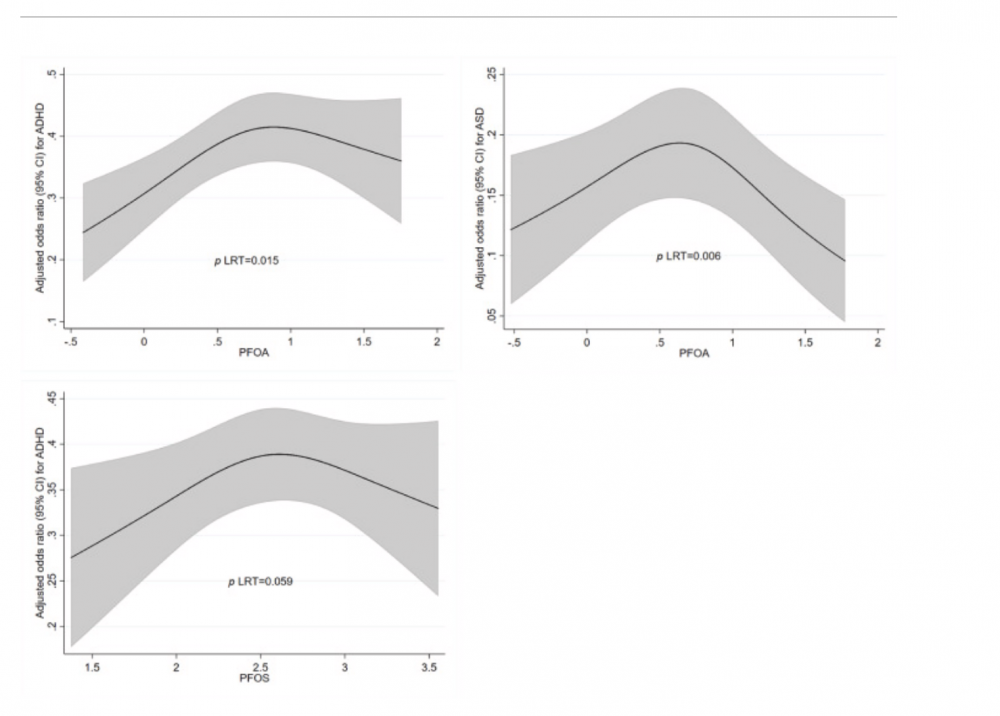
Skogheim TS, Weyde KVF, Aase H, Engel SM, Surén P, Øie MG, Biele G, Reichborn-Kjennerud T, Brantsæter AL, Haug LS, Sabaredzovic A, Auyeung B, Villanger GD - "Prenatal exposure to per- and polyfluoroalkyl substances (PFAS) and associations with attention-deficit/hyperactivity disorder and autism spectrum disorder in children" Environ Res 202:111692 (2021) doi: 10.1016/j.envres.2021.111692 MoBa
https://www.sciencedirect.com/science/a ... 5121009865
Note: Inverse-U-shape
"In addition, there appeared to be an inverse U-shaped pattern between PFOA and ASD diagnosis in children, with highest risk in the mid-range levels of PFOA."
Stohn JP, Martinez ME, Zafer M, López-Espíndola D, Keyes LM, Hernandez A - "Increased aggression and lack of maternal behavior in Dio3-deficient mice are associated with abnormalities in oxytocin and vasopressin systems" Genes Brain Behav 17(1):23-35 (2018)
https://doi.org/10.1111/gbb.12400
"The abnormal social behaviors of Dio3-/- mice were associated with sexually dimorphic alterations in the physiology of oxytocin (OXT) and arginine vasopressin (AVP), 2 neuropeptides with important roles in determining social interactions... Our results demonstrate that DIO3 is essential for normal aggression and maternal behaviors, and indicate that abnormal local regulation of thyroid hormone action in the brain may contribute to the social deficits associated with neurodevelopmental disorders."
Su Y, Yang X, Yang L, Liu X, She Z, Zhang Y, Dong Z - "Thyroid hormones regulate reelin expression in neuropsychiatric disorders" Can J Physiol Pharmacol (2022)
https://doi.org/10.1139/cjpp-2022-0270
https://doi.org/10.1016/j.jns.2008.09.016
"Given the marginal iodine nutrition status, exposure to antithyroid substances including environmental pollutants such as perchlorate, organochlorines, and tobacco smoke, these insults result in a deficit in thyroid hormones, and when present during early pregnancy, result in hypothyroxinemia and most likely cause autism and other neurologic sequelae. This is an area in need of further study. Reducing exposure to environmental pollutants would be desirable, but this is likely a longterm process. In the short term it would seem prudent to ensure adequate iodine nutrition in the US."
Teng Y, Li P, Yang M, Han Y, Yan S, Xu Y, Tao F, Huang K - "Sex-Specific Effect of Thyroid Peroxidase Antibody and Thyroglobulin Antibody Exposure During Pregnancy on Preschoolers' Emotional and Behavioral Development: A Birth Cohort Study" Thyroid 32(10):1229-1242 (2022)
https://doi.org/10.1089/thy.2022.0044
"Maternal TPOAb positivity in all three trimesters was associated with the risk of autism spectrum problems in boys. Isolated maternal TGAb positivity in the first trimester was associated with attention-deficit/hyperactivity problems in boys, whereas isolated maternal TPOAb positivity in the third trimester was associated with depressive problems in girls."
Tunc-Ozcan E, Ullmann TM, Shukla PK, Redei EE - "Low-dose thyroxine attenuates autism-associated adverse effects of fetal alcohol in male offspring's social behavior and hippocampal gene expression" Alcohol Clin Exp Res 37(11):1986-95 (2013)
https://doi.org/10.1111/acer.12183
"Social interaction deficits as well as the gene expression changes in the offspring of EtOH-consuming dams can be reversed by low dose of thyroid hormone supplementation to the mothers."
Wang H, Huang K, Piao L, Xue X - "Dysregulation of Thyroid, Growth, and Appetite Hormones in Children and Adolescents With Neurodevelopmental Disorders: A Meta-analysis" J Integr Neurosci 24(10):39816 (2025)
https://doi.org/10.31083/JIN39816
"These changes were mainly observed in ADHD patients, with TPO-Ab increased only in ASD patients."
https://onlinelibrary.wiley.com/doi/10.1002/ame2.12459
"The animal model of IMH was developed by the administration of 1 ppm of PTU for 9 weeks, and there were autistic-like behavior changes such as anxiety, weakened social ability, and repeated stereotyping in the IMH offspring by 40 days."
NOTE: PTU
Wu HP, Chen VC, Chen YL – "Association between maternal thyroid dysfunction and neurodevelopmental disorders in offspring: a population-based cohort study" Eur Child Adolesc Psychiatry doi: 10.1007/s00787-025-02871-x
https://pubmed.ncbi.nlm.nih.gov/41021009/
"A higher risk of ADHD was noted in children whose mothers had thyroid dysfunction, whether they had hyperthyroidism (adjusted HR, 1.19; 95% CI,1.14-1.24) or hypothyroidism (adjusted HR,1.28; 95% CI,1.19-1.37), and a similarly increased risk of ASD was observed in association with maternal hyperthyroidism (adjusted HR, 1.14; 95% CI, 1.03-1.27) or hypothyroidism (adjusted HR, 1.34; 95% CI, 1.19-1.51). For medications in treating hyperthyroidism during pregnancy, continuous propylthiouracil (PTU) use was associated with a lower risk of ADHD (adjusted HR, 0.91; 95% CI, 0.83-0.99) or ASD (adjusted HR, 0.80; 95% CI, 0.67-0.96). This study identified the association between maternal thyroid dysfunction during pregnancy and offspring ADHD. Moreover, we observed that continuous use of PTU for treating maternal hyperthyroidism during pregnancy may be associated with a reduced risk of childhood ADHD."
Wu P, Yang M, Teng Y, Ouyang J, Cai W, Tong J, Gao G, Wu X, Han Y, Yan S, Tao F, Huang K - "Association of maternal thyroid peroxidase antibody exposure with children's emotional and behavioral problems" Eur Thyroid J 14(2):e240302 (2025)
https://doi.org/10.1530/ETJ-24-0302
"After adjusting for potential confounders, maternal TPOAb positivity during the third trimester of pregnancy was found to be associated with an elevated risk of conduct problems in girls, with an odds ratio (OR) of 2.190 (95% confidence interval (CI): 1.137-4.219). Conversely, maternal TPOAb positivity in the first trimester was linked to a decreased incidence of prosocial behavior in boys, with an OR of 0.451 (95% CI: 0.237-0.861).
Conclusions: Maternal TPOAb positivity during pregnancy may be associated with emotional and behavioral problems in preschool-aged children."
Xue H, Li Y, Teng W, Shan Z, Yu X, Li Y, Wang W, Chen Y, Li J, Guan H, Teng X, Li J, Gao Y, Fan C, Wang H, Zhang H - "Impact of maternal subclinical hypothyroidism during the first trimester on brain development of the offspring: a prospective study" Chinese Journal of Endocrinology and Metabolism 2010(11):916-920 (2010) PFPC Library
"Multiple group comparisons showed that differing TSH levels affected offspring intelligence and motor scores F = 9.277, P < 0.001 and F = 5.909, P = 0.004. Ordinal logistic regression indicated that maternal serum TSH ≥ 3.93 mIU/L was associated with 8.66 fold and 6.27 fold higher risks of reduced mental development index MDI and psychomotor development index PDI in offspring compared with controls OR = 8.66, 95 percent CI 2.72 to 27.57. OR = 6.27, 95 percent CI 2.03 to 19.34. Conclusion Maternal early pregnancy subclinical hypothyroidism diagnosed by trimester specific criteria is an independent risk factor for lower intelligence and motor development scores in offspring at 20 to 30 months."
Yamada R, Fuchigami T, Kimura K, Ishii W, Morioka I – "Autism spectrum disorder with iodine deficiency hypothyroidism in a 6-year-old boy" Pediatr Int 66(1):e15795 (2024). doi: 10.1111/ped.15795
https://doi.org/10.1111/ped.15795
"Autism spectrum disorder with iodine deficiency hypothyroidism was described in a 6-year-old boy, underscoring the link between thyroid hormone deficiency and neurodevelopmental outcomes."
Zada D, Kadobianskyi M, Judkewitz B, Lovett-Barron M – “Convergent thyroid-ATPase interactions regulate collective behavior in Danionella” Cell Rep 45(1):116730 (2025)
https://doi.org/10.1016/j.celrep.2025.116730
This study identified a mechanistic link between thyroid hormone signaling and ATPase activity underlying group coordination in Danionella fish. The authors found that thyroid-dependent regulation of Na⁺/K⁺-ATPase in specific brain regions modulates sensory integration and locomotor synchronization during social schooling. Pharmacological or genetic disruption of either thyroid signalling or ATPase function impaired coordinated behavior, revealing a conserved neuroendocrine–metabolic axis controlling collective action across vertebrates.
https://www.ncbi.nlm.nih.gov/pmc/articles/PMC3479063/
"Maternal hypothyroidism affects the expression of foetal and neonatal brain-derived neurotrophic factor (BDNF) [10, 11] and neuroendocrine-specific protein (NSP)-A [12], both of which are important mediators of thyroid hormone and have essential roles in brain development."
Zhang J, Chen Y, Huang G, Deng C, Mao C, Li B, Wang X, Yu H - "Association between maternal thyroid function and adverse outcomes of pregnant women and offspring: evidence from an umbrella review" BMC Pregnancy and Childbirth (2026)
DOI: 10.1186/s12884-026-09024-1
Zhong C, Rando J, Patti MA, Braun JM, Chen A, Xu Y, Lanphear BP, Yolton K, Croen LA, Fallin MD, Hertz-Picciotto I, Newschaffer CJ, Lyall K - "Gestational thyroid hormones and autism-related traits in the EARLI and HOME studies" Autism Research 17(4):716-727 (2024)
https://doi.org/10.1002/aur.3115
Adams JB, Holloway CE, George F, Quig D - "Analyses of toxic metals and essential minerals in the hair of Arizona children with autism and associated conditions, and their mothers" Biol Trace Elem Res 110(3):193-209 (2006)
https://doi.org/10.1385/BTER:110:3:193
"Iodine levels were 45% lower in the children with autism (p=0.005)...Low iodine levels are consistent with previous reports of abnormal thyroid function, which likely affected development of speech and cognitive skills."
Adıgüzel Akman Ö, Esnafoglu E - "Evaluation of procalcitonin and C-reactive protein levels in children with autism spectrum disorder and attention deficit hyperactivity disorder" Int J Dev Disabil 71(1):159-167 (2023)
https://doi.org/10.1080/20473869.2023.2213923
Procalcitonin (PCT) is an inflammatory biomarker released by thyroid parafollicular cells...PCT and CRP values were found to be statistically significantly higher in ASD and ADHD children compared to healthy controls (p < 0.05).
- SEE: CRP - viewtopic.php?p=1944#p1944
https://pubmed.ncbi.nlm.nih.gov/24605987/
"Maternal hyperthyroidism diagnosed and treated for the first time after the birth of the child increased the risk of ADHD in the child (adjusted HR 1.23; 95% CI 1.05-1.44), whereas hypothyroidism increased the risk of ASD (adjusted HR 1.34; 95% CI 1.14-1.59)."
Angelopoulou M, Siaperas P, Livadas S, Karantana E, Papadimitriou DT, Angelopoulos N - "Endocrine circuitry in autism spectrum disorders: A systematic review of mechanistic insights and clinical implications" Neuroscience 585:351-366 (2025)The overall frequency of abnormal maternal thyroid function was 12.5% in the sub-cohort and significantly higher among cases of ASD (17.9%; aHR = 1.5 [CI 1.1-2.1]), but not among other types of neurodevelopmental disorders (febrile seizures: 12.7%; epilepsy: 13.1%; SDD: 12.6%; and ADHD: 14.0%). However, evaluation of subtypes of maternal thyroid dysfunction showed that maternal overt hypothyroidism (thyrotropin >10 mIU/L) was a risk factor for epilepsy in the child (aHR = 3.5 [CI 1.2-10]), as was overt hyperthyroidism for cases diagnosed within the first year of life (aHR = 3.0 [CI 1.03-8.4]). Furthermore, both maternal hypothyroidism (aHR = 1.8 [CI 1.1-2.7]) and overt hyperthyroidism (aHR = 2.2 [CI 1.1-4.4]) were risk factors for ASD in the child, and isolated low free thyroxine was associated with ASD (aHR = 4.9 [CI 2.03-11.9]) and ADHD (aHR = 2.3 [CI 1.2-4.3]) in girls but not in boys.
https://doi.org/10.1016/j.neuroscience.2025.09.009
"Alterations in multiple endocrine axes were consistently associated with ASD, including prenatal thyroid imbalances, cortisol rhythm dysregulation, aberrant IGF-1 levels, elevated fetal steroidogenic activity, and impaired oxytocin signaling."
Anselmo J, Scherberg NH, Dumitrescu AM, Refetoff S - "Reduced sensitivity to thyroid hormone as a transgenerational epigenetic marker transmitted along the human male line" Thyroid 29(6):778-782 (2019)
https://doi.org/10.1089/thy.2019.0080
In families where F0 mothers had high TH due to a mutation, reduced TH sensitivity persists in wild type F2 and F3 descendants along the male line, despite no direct TH overexposure, which strongly supports transgenerational epigenetic inheritance via sperm.
Axelstad M, Hansen PR, Boberg J, Bonnichsen M, Nellemann C, Lund SP, Hougaard KS, Hass U – "Developmental neurotoxicity of propylthiouracil (PTU) in rats: relationship between transient hypothyroxinemia during development and long-lasting behavioural and functional changes" Toxicol Appl Pharmacol 232(1):1-13 (2008). doi: 10.1016/j.taap.2008.05.020
"The results showed that PTU-induced hypothyroxinemia influenced the developing rat brain, and that all effects on behaviour and loss of hearing in the adult offspring were significantly correlated to reductions in T(4) during development. This supports the hypothesis that decreased T(4) may be a relevant predictor for long-lasting developmental neurotoxicity."
Bakke JL, Lawrence NL, Robinson S, Bennett J - "Endocrine studies in the untreated F1 and F2 progeny of rats treated neonatally with thyroxine" Biol Neonate 31(1-2):71-83 (1977)
https://pubmed.ncbi.nlm.nih.gov/402955/
Bakke JL, Lawrence NL, Bennett J, Robinson S - "The late effects of neonatal hyperthyroidism upon the feedback regulation of TSH secretion in rats" Endocrinology 97(3):659-64 (1975)
https://pubmed.ncbi.nlm.nih.gov/809256/
Berbel P, Navarro D, Román GC - "An evo-devo approach to thyroid hormones in cerebral and cerebellar cortical development: etiological implications for autism" Front Endocrinol (Lausanne) 5:146 (2014). doi: 10.3389/fendo.2014.00146
https://www.ncbi.nlm.nih.gov/pmc/articles/PMC4158880/
Błażewicz A, Grywalska E, Macek P, Mertowska P, Mertowski S, Wojnicka J, Durante N, Makarewicz A – "Research into the association of cadmium and manganese excretion with thyroid function and behavioral areas in adolescents with autism spectrum disorders" J Clin Med 11(3):579 (2022). doi: 10.3390/jcm11030579In rodents and humans, almost all T3 found in the fetal cerebral cortex is generated through local deiodination of circulating maternal T4 (13, 49, 50). The fetal dependence on maternal T4 is due (i) to the late development of the fetal thyroid gland (in rodents thyroid function begins by E17–18 and in humans by the 18–20 gestational week) and (ii) to the increased activity of D2 and D3 deiodinases in placenta and fetal tissues (13, 35, 51, 52). As a consequence of the increased activity of deiodinases in the fetus, serum T3 levels are maintained low and the local generation of cerebral T3 from T4 is enhanced (13, 50). To respond to this requirement, there is an estrogen-dependent increase of maternal thyroid function that transiently induces an increase of (i) circulating thyroxine-binding globulin, affecting the T4 extra-thyroidal pool, and of (ii) human chorionic gonadotropin, transiently stimulating thyrocytes (53). This increased maternal thyroid function consequently needs increased iodine intake.
https://www.mdpi.com/2077-0383/11/3/579
Błażewicz A, Makarewicz A, Korona-Glowniak I, Dolliver W, Kocjan R - "Iodine in autism spectrum disorders" J Trace Elem Med Biol 34:32-7 (2016) doi: 10.1016/j.jtemb.2015.12.002 PFPC Library"These results indicate that severity of certain symptoms in autism is associated with thyroid function. Correlation analysis between Childhood Autism Rating Scale (CARS) results and the content of both U-Mn and U-Cd as well as fT3, fT4 and TSH values in ASD patients showed significantly positive correlation of CARS7 (visual reaction) with fT3 and fT4 and a negative correlation with TSH for the whole study group. In the group of adolescents over 14 years of age, it was also observed that CARS10 (anxiety reaction) negatively correlates with serum TSH levels, and among younger individuals, CARS9 (near receptor responsiveness, taste, smell) positively correlates with TSH."
https://pubmed.ncbi.nlm.nih.gov/26854242/
"The severity of certain symptoms in autism is associated with iodine status in maturing boys. Thyroid hormones were within normal reference ranges in both groups while urinary iodine was significantly lower in autistic boys suggesting that further studies into the nonhormonal role of iodine in autism are required."
Błażewicz A, Niziński P, Dolliver I, Dolliver W, Makarewicz A, Skórzyńska-Dziduszko K - "Alterations of urinary perchlorate levels in euthyroid postpubertal children with autism spectrum disorder" J Trace Elem Med Biol 68:126800 (2021)
https://doi.org/10.1016/j.jtemb.2021.126800
"The ASD group presented with significantly higher perchlorate urine levels than the controls (median = 1.05 μg/L, interquartile range(IQR) = 1.5 versus median = 0.09 μg/L, IQR = 0.097, respectively), as well as lower iodide urine levels (median = 100.2 μg/L, IQR = 37 versus median = 156.95 μg/L, IQR = 26.11, respectively). The ASD group presented significantly lower TSH and higher free thyroid hormone (fT4, fT3) levels than the controls."
Brown AS, Surcel HM, Hinkka-Yli-Salomäki S, Cheslack-Postava K, Bao Y, Sourander A - "Maternal thyroid autoantibody and elevated risk of autism in a national birth cohort" Prog Neuropsychopharmacol Biol Psychiatry 57:86-92 (2015) doi: 10.1016/j.pnpbp.2014.10.010
https://linkinghub.elsevier.com/retriev ... 14)00201-2
"Results: The prevalence of maternal TPO-Ab+ was significantly increased in pregnancies giving rise to autism cases (6.15%) compared to controls (3.54%). The odds of autism were increased by nearly 80% among offspring of mothers who were TPO-Ab+ during pregnancy (OR=1.78, 95% CI=1.16-2.75, p=0.009), compared to mothers negative for this autoantibody. There was also a significant relationship between maternal TPO-Ab defined as a continuous variable and odds of autism (OR=1.09, 95% CI=1.01, 1.17, p=0.02). Measures of maternal thyroid hormones did not differ between groups."
Calvo RM, Jauniaux E, Gulbis B, Asunción M, Gervy C, Contempré B, Morreale de Escobar G - "Fetal tissues are exposed to biologically relevant free thyroxine concentrations during early phases of development" J Clin Endocrinol Metab 87(4):1768-77 (2002) doi: 10.1210/jcem.87.4.8434.These findings provide the first biomarker-based evidence that a class of known maternal autoimmune disorders is related to autism in offspring.
"The availability of FT(4) for embryonic and fetal tissues would decrease in hypothyroxinemic women, even if they were euthyroid. A decrease in the availability of FT(4), a major precursor of intracellular nuclear receptor-bound T(3), may result in adverse effects on the timely sequence of developmental events in the human fetus."
Chang K, Shin JI – "Association of gestational maternal hypothyroxinemia and increased autism risk: the role of brain-derived neurotrophic factor" Ann Neurol 75(6):971 (2014). doi: 10.1002/ana.24143
https://onlinelibrary.wiley.com/doi/10.1002/ana.24143
de Assis Moreira Horta Santos P, da Silva Gama L, Lambert Rodrigues MC, Silva de Rezende OC, Andrade Dias S, Dias D'Andrea R, César de Oliveira J - "Association Between Maternal Thyroid Disorders and the Risk of Offspring Being Born With Autism Spectrum Disorder (ASD): A Systematic Review" OWL Journal - Interdisciplinary Journal of Teaching and Education (2026) [In Portugese]
https://doi.org/10.5281/zenodo.19488129
Demircan K, Chillon TS, Jensen RC, Jensen TK, Sun Q, Bonnema SJ, Glintborg D, Bilenberg N, Andersen MS, Schomburg L - "Maternal selenium deficiency during pregnancy in association with autism and ADHD traits in children: The Odense Child Cohort" Free Radic Biol Med 220:324-332 (2024)
https://doi.org/10.1016/j.freeradbiomed.2024.05.001
"The results provide coherent evidence for selenium deficiency as a risk factor for ADHD and ASD traits in an environment with borderline supply, the causality of which should be elucidated in a randomized controlled trial."
NOTE: Selenium is an essential component of the three deiodinases.
Desoky T, Hassan MH, Fayed HM, Sakhr HM - "Biochemical assessments of thyroid profile, serum 25-hydroxycholecalciferol and cluster of differentiation 5 expression levels among children with autism" Neuropsychiatr Dis Treat 13:2397–2403 (2017)
https://doi.org/10.2147/NDT.S146152
"The overall measurement results show significant higher mean serum TSH levels, mean CD5 expression levels with significant lower mean serum 25(OH)D levels among autistic children when compared with the control group (p<0.05 for all). Significant negative correlations between CD5 with FT3, FT4 and 25(OH)D were observed. CARS score showed significant negative correlations with both FT3 and 25(OH)D, while it was positively correlated with CD5 in a significant manner (p<0.05 for all)...High TSH serum levels among autistic children, although within the physiological range, reflect the presence of thyroid dysfunction among such children, which needs further assessment."
Du J, Xu X, Yuan N, Zhang X - "Effect of maternal isolated hypothyroxinemia in the first trimester on offspring neurodevelopment: a prospective cohort study" Front Endocrinol (Lausanne) 17:1734708 (2026)
DOI: 10.3389/fendo.2026.1734708
Maternal IH in the first trimester is associated with lower intellectual developmental scores and higher scores on screening scales for symptoms related to attention-deficit/hyperactivity disorder and autism spectrum disorder in the offspring.
Elbedour L, Weinberg M, Meiri G, Michaelovski A, Menashe I - "Maternal Thyroid Hormone Imbalance and Risk of Autism Spectrum Disorder" The Journal of Clinical Endocrinology & Metabolism 0(0):dgaf596 (2025)
https://doi.org/10.1210/clinem/dgaf596
Retrospective birth cohort study reporting that adequately treated chronic hypothyroidism was not associated with ASD, while persistent thyroid hormone imbalance across pregnancy (including combined chronic plus gestational hypothyroidism and longer duration across trimesters) was associated with higher ASD risk.
Faruk MO, Rahman MS, Rana MS, Mahmud S, Al-Neyma M, Karim MS, Alam N - "Socioeconomic and demographic risk factors of autism spectrum disorder among children and adolescents in Bangladesh: Evidence from a cross-sectional study in 2022" PLoS One 18(8):e0289220 (2023). doi: 10.1371/journal.pone.0289220
https://www.ncbi.nlm.nih.gov/pmc/articles/PMC10403138/
Fowler LF, Burry TN, Maekawa AS, Cahill LS - "A systematic review and experimental study of micro/nanoplastic-induced endocrine disruption in rodents: Potential links to autism spectrum disorder" Horm Behav 175:105818 (2025)
https://doi.org/10.1016/j.yhbeh.2025.105818
"Recent research shows that microplastic (diameter < 5 mm) and nanoplastic (diameter < 1 μm) exposures can have endocrine-disrupting effects and lead to autism spectrum disorder (ASD)-like behaviours in rodent models...Cytokines, interleukin-2 (IL-2) and interleukin-6 (IL-6), and triiodothyronine (T3) were significantly altered in the fetal brain following prenatal exposure to NPs, and thyroxine (T4) and T were significantly suppressed in female NP-exposed fetuses but not in males. Together, these findings demonstrate that MNP exposure during adulthood and early development affect multiple endocrine systems, including those implicated in autism spectrum disorder, in a sex-dependent manner."
Frye RE, Wynne R, Rose S, Slattery J, Delhey L, Tippett M, Kahler SG, Bennuri SC, Melnyk S, Sequeira JM, Quadros EV - "Thyroid dysfunction in children with autism spectrum disorder is associated with folate receptor α autoimmune disorder" J Neuroendocrinol 29(3) (2017) doi: 10.1111/jne.12461
"51% had elevated rT3 levels...TSH concentration was positively and the FT4/TSH, TT3/TSH and rT3/TSH ratios were inversely related to blocking FRAA titres. On repeated measurements, changes in TSH and FT4/TSH ratio were found to correspond to changes in blocking FRAA titres. TSH and the FT4/TSH, TT3/TSH and rT3/TSH ratios were related to irritability on the Aberrant Behavior Checklist and several scales of the Social Responsiveness Scale (SRS), whereas TT3 was associated with SRS subscales and TRH was related to Vineland Adaptive Behavior Scale subscales. The thyroid showed significant FRα expression during the early prenatal period, although expression decreased significantly in later gestation and postnatal thyroid tissue. The results of the present study suggest that thyroid dysfunction in ASD may be related to blocking FRAA."
- Frye RE, Sequeira JM, Quadros EV, Rossignol D - "Folate receptor alpha autoantibodies modulate thyroid function in autism spectrum disorder" North Am J Med Sci 7(2):53-56 (2014)
https://doi.org/10.1210/clinem/dgaa555
"We identified 29 eligible articles and found an association between maternal hyperthyroidism and attention deficit hyperactivity disorder (ADHD) (OR: 1.18, 95% CI: 1.04-1.34, I2 = 0%) and epilepsy (OR: 1.19, 95% CI: 1.08-1.31, I2 = 0%) in offspring; as well as an association of maternal hypothyroidism with increased risk of ADHD (OR: 1.14, 95% CI: 1.03-1.26, I2 = 25%), autism spectrum disorder (OR: 1.41, 95% CI: 1.05-1.90, I2 = 63%), and epilepsy (OR: 1.21, 95% CI: 1.06-1.39, I2 = 0%) in offspring. Conclusion: Routine measurement and timely treatment on thyroid function should be considered for pregnant women."
Getahun D, Jacobsen SJ, Fassett MJ, Wing DA, Xiang AH, Chiu VY, Peltier MR - "Association between maternal hypothyroidism and autism spectrum disorders in children" Pediatr Res 83(3):580-588 (2018)
https://doi.org/10.1038/pr.2017.308
"Maternal hypothyroidism was associated with ASD for both boys (3.93 vs. 2.62/1,000 person-years; adj.HR, 1.27; 95% CI, 1.07-1.50) and girls (1.10 vs. 0.61/1,000 person-years; adj.HR, 1.51; 95% CI, 1.10-2.08)...Compared with white children, prenatal hypothyroidism was associated with an increased risk of ASD in children of Hispanics (adj.HR, 1.09; 95% CI, 1.01-1.17) and women of other/mixed race-ethnicity (adj.HR, 1.08; 95% CI, 1.00-1.16).Conclusion: Maternal hypothyroidism is associated with ASD in children in a manner dependent on race-ethnicity. Management of maternal hypothyroidism may ameliorate the risk of ASD."
Giannocco G, Kizys MML, Maciel RM, de Souza JS - "Thyroid hormone, gene expression, and Central Nervous System: Where we are" Semin Cell Dev Biol 114:47-56 (2021)
https://doi.org/10.1016/j.semcdb.2020.09.007
"We conclude that TH, more precisely T3, acts mainly throughout its nuclear receptors, that the deficiency of this hormone, either due to the lack of its main substrate iodine, or by to incorrect organification of T4 and T3 in the gland, or by a mutation in transporters, receptors and deiodinases may cause mild (dysregulated mood in adulthood) to severe neurological impairment (Allan-Herndon-Dudley syndrome, presented as early as childhood); T3 is responsible for the expression of numerous CNS genes related to oxygen transport, growth factors, myelination, cell maturation. Substances present in the environment and widely used can interfere with the functioning of the thyroid gland, the action of TH, and the functioning of the CNS."
Gillberg IC, Gillberg C, Kopp S – "Hypothyroidism and autism spectrum disorders" J Child Psychol Psychiatry 33(3):531-542 (1992). doi: 10.1111/j.1469-7610.1992.tb00889.x
https://pubmed.ncbi.nlm.nih.gov/1577897/
González-Madrid E, Rangel-Ramírez MA, Opazo MC, Méndez L, Bohmwald K, Bueno SM, González PA, Kalergis AM, Riedel CA - "Gestational hypothyroxinemia induces ASD-like phenotypes in behavior, proinflammatory markers, and glutamatergic protein expression in mouse offspring of both sexes" Front Endocrinol (Lausanne) 15:1381180 (2024) doi: 10.3389/fendo.2024.1381180Five children (three boys and two girls) with autism or autistic-like conditions are described. Three of them had congenital hypothyroidism and two had mothers who had probably been hypothyroid in pregnancy. It is suggested that hypothyroid hormone deficiency in early development might cause central nervous system damage such that autistic symptoms are likely to ensue. An alternative explanation might be autoimmune factors linking hypothyroidism and autism.
These findings support that gestational HTX constitutes a significant risk factor for the development of autism-like phenotypes in the offspring and strongly emphasizes the importance of monitoring thyroid function in early pregnancy.
Guo H, Yang J, Zhang X, Feng X, Yang H, Xu Y, Deng Y - "The impact of treatment on offspring's intellectual and motor development in TPOAb-negative SCH pregnant women in early pregnancy" Journal of Zhengzhou University Medical Sciences 2:302-304 (2019) PFPC Library
Offspring of women who are TPOAb positive in early pregnancy show a significant decrease in intelligence and motor development index, and the higher the TPOAb titer, the greater the decrease.
Hamza RT, Hewedi DH, Sallam MT - "Iodine deficiency in Egyptian autistic children and their mothers: relation to disease severity" Arch Med Res 44(7):555-61 (2013) doi: 10.1016/j.arcmed.2013.09.012
"Of autistic children and their mothers, 54% and 58%, respectively, were iodine deficient. None of the control children or their mothers was iodine deficient...Positive correlations were detected between autistic patients and their mothers regarding UI (r = 0.88, p <0.001), fT3 (r = 0.79, p = 0.03), fT4 (r = 0.91, p <0.001) and TSH (r = 0.69, p = 0.04)."
Hancock M, Zhang R, Brown SJ, Boyder C, Mullin S, Campbell PJ, Wilson SG, Lim EM, Whitehouse AJO, Walsh JP - "Circulating thyroid hormones and metabolites in children with autism spectrum disorder" Front Endocrinol (Lausanne) 16:1716586 (2026) doi: 10.3389/fendo.2025.1716586
https://www.frontiersin.org/journals/en ... 16586/full
NOTE: many problems with this study: Non-fasting collection and no standardized collection time; Control group composition is heavily sibling-based; Very large sex imbalance between groups; Medication use differs strongly by group and is not clearly handled beyond a short exclusion list - antidepressant/anxiolytic 24.5% in ASD vs 5.7% siblings; melatonin 9.0% vs 1.9%; anticonvulsant 2.9% vs 0% --> anti-depressants are well-known to affect thyroid hormone metabolism).
Hashimoto T, Aihara R, Tayama M, Miyazaki M, Shirakawa Y, Kuroda Y - "Reduced thyroid-stimulating hormone response to thyrotropin-releasing hormone in autistic boys" Dev Med Child Neurol 33(4):313-319 (1991)
https://doi.org/10.1111/j.1469-8749.1991.tb14882.x
"The autistic boys were divided into two groups: DQ(IQ) greater than or equal to 80 and DQ(IQ) less than 80. Mean TSH basal and peak levels were significantly lower in both autistic groups than in the MR, MBD and control groups. Mean TSH peak value minus basal value (p-b) was significantly lower in both autistic groups than in the control group."
Hay I, Hynes KL, Burgess JR - "Mild-to-Moderate Gestational Iodine Deficiency Processing Disorder" Nutrients 11(9):1974 (2019)
https://doi.org/10.3390/nu11091974
"This paper links the results from each study and maintains that mild-to-moderate GID [Gestational Iodine Deficiency] is associated with a disorder that is characterized by speed of neural transmitting difficulties that are typically associated with working memory capacity difficulties and attention and response inhibition. The authors maintain that this disorder is better identified as Gestational Iodine Deficiency Processing Disorder (GIDPD), rather than, what to date has often been identified as 'suboptimal development'. The Autistic Spectrum Disorder (ASD), Attention Deficit, Hyperactivity Disorder (ADHD), language and literacy disorders (learning disabilities and dyslexia) are the main manifestations associated with GIDPD."
Hernandez A - "Spermatogonial Dio3 as a potential germ line sensor for thyroid hormone-driven epigenetic inheritance" Biol Reprod 105(3):613-615 (2021)
https://www.ncbi.nlm.nih.gov/pmc/articles/PMC8444671/
Hernandez A, Martinez ME, Chaves C, Anselmo J - "Epigenetic developmental programming and intergenerational effects of thyroid hormones" Vitam Horm 122:23-49 (2023) doi: 10.1016/bs.vh.2023.01.003
Hernandez A, Stohn JP - "The Type 3 Deiodinase: Epigenetic Control of Brain Thyroid Hormone Action and Neurological Function" Int J Mol Sci 19(6):1804 (2018) https://pubmed.ncbi.nlm.nih.gov/29921775/
Hosokawa M, Iwasaki Y, Someya A, Tanigawa T - "Effects of low concentration of fluoride exposure during fetal on behavior and neurotransmitters in adult mice" Biomed Rep 22(5):81 (2025) doi: 10.3892/br.2025.1959
https://pmc.ncbi.nlm.nih.gov/articles/PMC11948299/
Huang H, Liu P, Ma D, Zhang H, Xu H, Zhou J, Zhao H, Zhao T, Li C - "Triiodothyronine attenuates neurocognitive dysfunction induced by sevoflurane in the developing brain of neonatal rats" J Affect Disord 297:455-462 (2022) doi: 10.1016/j.jad.2021.10.086
https://www.sciencedirect.com/science/a ... 272101154X
Kaplan ZB, Pearce EN, Lee SY, Shin HM, Schmidt RJ - "Maternal Thyroid Dysfunction During Pregnancy as an Etiologic Factor in Autism Spectrum Disorder: Challenges and Opportunities for Research" Thyroid 34(2):144-157 (2024) doi: 10.1089/thy.2023.0391
https://www.liebertpub.com/doi/10.1089/thy.2023.0391
"Findings from MARBLES support previous findings that maternal hypothyroidism during pregnancy is associated with an increased likelihood of ASD diagnosis....Findings from the ECHO align with previous research that also found minimal evidence of an association between maternal iodine status during pregnancy and child ASD traits."
Khan A, Harney JW, Zavacki AM, Sajdel-Sulkowska EM - "Disrupted brain thyroid hormone homeostasis and altered thyroid hormone-dependent brain gene expression in autism spectrum disorders" J Physiol Pharmacol 65(2):257-272 (2014)
"We report that some parameters measured, such as D2 are subject to rapid postmortem inactivation, while others that were analyzed showed both brain region- and sex-dependent changes. Levels of 3-NT were overall increased, T3 was decreased in the cortical regions of ASD brains, while mercury levels measured only in the extracortical regions were not different. The expression of several thyroid hormone (TH)-dependent genes was altered in ASD."
Kobayashi K, Tsuji R, Yoshioka T, Kushida M, Yabushita S, Sasaki M, Mino T, Seki T. - "Effects of hypothyroidism induced by perinatal exposure to PTU on rat behavior and synaptic gene expression." Toxicology 212(2-3):135-147 (2005)
https://doi.org/10.1016/j.tox.2005.04.012
Perinatal PTU-induced hypothyroidism in rats was associated with measurable behavioral changes and altered synaptic gene expression, consistent with thyroid hormone disruption during development affecting neurobehavioral outcomes. "At doses causing such behavioral alteration, expression of GAP-43 and M1 mRNAs was changed during neuronal network formation, suggesting that levels of these factors during development are important for accurate postnatal development and function."
Kopcikova M, Raskova B, Belica I, Bakos J, Celusakova H, Chladna Z, Zibolenova J, Ostatnikova D - "The relationship between serum thyroid hormone levels and symptoms severity in young children with autism" Endocr Regul 58(1) (2024)
https://doi.org/10.2478/enr-2024-0031
Levie D, Korevaar TIM, Bath SC, Dalmau-Bueno A, Murcia M, Espada M, Dineva M, Ibarluzea JM, Sunyer J, Tiemeier H, Rebagliato M, Rayman MP, Peeters RP, Guxens M - "Thyroid Function in Early Pregnancy, Child IQ, and Autistic Traits: A Meta-Analysis of Individual Participant Data" J Clin Endocrinol Metab 103(8):2967-2979 (2018)
https://academic.oup.com/jcem/article-l ... 2018-00224
Li L, Zhang J, Yang J, Ma Y, Li G – “Detection of free thyroxine in cerebrospinal fluid predicts autism-like behaviors in offspring rats induced by hypothyroidism during pregnancy” Journal of Sun Yat-Sen University (Medical Sciences) 46(6):1029-1040 (2025) PFPC Library
https://doi.org/10.13471/j.cnki.jsysus.2025.06.010
Pregnant Wistar rats with experimentally induced hypothyroidism produced offspring showing autism-like behaviors, including markedly reduced ultrasonic vocalizations and diminished social interaction. Cerebrospinal-fluid FT4 levels were significantly lowered from postnatal day 2 through 21 and correlated positively with both vocalization metrics and social-sniffing time, indicating that CSF FT4 may serve as a predictive biomarker for neurobehavioral deficits caused by maternal hypothyroidism.
Li S, Qin S, Zeng H, Chou W, Oudin A, Kanninen KM, Jalava P, Dong G, Zeng X - "Adverse outcome pathway for the neurotoxicity of Per- and polyfluoroalkyl substances: A systematic review" Eco Environ Health 3(4):476-493 (2024)
https://doi.org/10.1016/j.eehl.2024.08.002
Lin HY, Liang CS, Tsai SJ, Hsu JW, Huang KL, Su TP, Chen TJ, Bai YM, Hsu TW, Chen MH – "Congenital hypothyroidism and risk of subsequent autism spectrum disorder and attention-deficit/hyperactivity disorder in Taiwan" Psychiatry Clin Neurosci 78(11):721-725 (2024). doi: 10.1111/pcn.13733
https://onlinelibrary.wiley.com/doi/10.1111/pcn.13733
"Children with CHT were associated with approximately a two-fold increased risk of ADHD and a four-fold increased risk of ASD than the control group. Our study highlights the need for future research to elucidate the potential pathophysiology among CHD, ASD, and ADHD."
Liu D, Tao K, Sun Y, Hao J, Wang S - "The role of the Wnt/BDNF pathway in maternal SCH-induced autism-like phenotypes in offspring rats: behavioral and molecular mechanisms" Transl Psychiatry 15(1):387 (2025)
https://doi.org/10.1038/s41398-025-03570-6
"Our study further reveals that impaired Wnt/BDNF signaling may play a pivotal role in the pathogenesis of autism-like behaviors in these offspring. Moreover, sex-specific differences were observed in the behavioral manifestations, with male offspring showing more pronounced deficits, suggesting a gender-dependent sensitivity to maternal SCH."
- SEE: Wen C, Xu Z, Cao F, Yuan Q, Su W, Huang Z - "Arecoline alleviates autism spectrum disorder-like behaviors and cognition disorders in a valproic acid mouse model by activating the AMPK/CREB/BDNF signaling pathway" Brain Res Bull 229:111431 (2025)
https://doi.org/10.1016/j.brainresbull.2025.111431
Jin M, Zhou Z, Zhang L, Chen Y, Liu L, Shen H – "Effects of excessive iodine on the BDNF-TrkB signaling pathway and related genes in offspring of EAT rats" Biological Trace Element Research 201(2):776-785 (2023). doi: 10.1007/s12011-022-03187-6
https://link.springer.com/article/10.10 ... 22-03187-6
"Maternal AIT may reduce the levels of certain neurodevelopmental mechanisms in the offspring, such as the BDNF-TrkB signaling pathway and related factors, while excessive iodine consumption by the mother may exacerbate this effect."
https://doi.org/10.1002/aur.70052
"The meta-analysis revealed no significantly changed blood levels of thyroxine, free triiodothyronine, free thyroxine, and IGF-1 of subjects with ASD compared to non-autistic controls. The blood TSH levels were significantly lower in ASD subjects than in controls (n = 859, Hedges' g = -1.18, 95% CI: -2.17 to -0.20, p = 0.02). Subgroup-analysis results showed that blood free triiodothyronine (n = 153, Hedges' g = -0.74, 95% CI: -1.08 to -0.40, p < 0.0001, I2 = 2%), free thyroxine (n = 153, Hedges' g = -0.72, 95% CI: -1.31 to -0.14, p = 0.02, I2 = 66%), and IGF-1 (n = 397; Hedges' g = -0.92; 95% CI: -1.30 to -0.55, p < 0.00001, I2 = 63%) levels were significantly reduced in subjects with severe ASD symptoms. Individuals with severe ASD may experience a dysfunction of the hypothalamic-pituitary-thyroid axis, and further studies are warranted to determine the correlation between thyroid hormone and IGF-1 levels and disease severity."
Luan S, Bi W, Shi S, Peng L, Li Z, Jiang J, Gao L, Du Y, Hou X, He Z, Zhao J - "Thyrotropin receptor signaling deficiency impairs spatial learning and memory in mice" J Endocrinol 246(1):41-55 (2020) doi: 10.1530/JOE-20-0026
https://joe.bioscientifica.com/view/jou ... 0-0026.xml
Martinez ME, Duarte CW, Stohn JP, Karaczyn A, Wu Z, DeMambro VE, Hernandez A - "Thyroid hormone influences brain gene expression programs and behaviors in later generations by altering germ line epigenetic information" Mol Psychiatry 25(5):939-950 (2020)
https://www.ncbi.nlm.nih.gov/pmc/articles/PMC6482106/
Martinez ME, Stohn JP, Mutina EM, Whitten RJ, Hernandez A - "Thyroid hormone elicits intergenerational epigenetic effects on adult social behavior and fetal brain expression of autism susceptibility genes" Front Neurosci 16:1055116 (2022) doi: 10.3389/fnins.2022.1055116
https://www.frontiersin.org/articles/10 ... 55116/full
Meng H, Bigambo FM, Gu W, Wang X, Li Y - "Evaluation of thyroid function tests among children with neurological disorders" Frontiers in Endocrinology (Lausanne) 15:1498788 (2024).
https://doi.org/10.3389/fendo.2024.1498788
In comparison to controls, children with neurological disorders exhibited a significant decrease in FT4 levels, while TSH levels remained unchanged. -> hypothyroxinemia
Moore CE, Sasidharan Pillai S, Austin J, Fredette ME, Serrano-Gonzalez M - "Severe Hypothyroidism and Large Goiter due to Iodine Deficiency in an Adolescent Male in the United States: A Case Report and Review of the Literature" Case Rep Endocrinol 2022:7235102 (2022)
https://doi.org/10.1155/2022/7235102
"We present the case of an adolescent male with a history of mild autism spectrum disorder and an extremely restrictive diet who was found to have iodine deficiency as the etiology for his rapidly enlarging goiter and antibody-negative hypothyroidism."
Morreale de Escobar G, Obregón MJ, Escobar del Rey F – "Is neuropsychological development related to maternal hypothyroidism or to maternal hypothyroxinemia?" J Clin Endocrinol Metab 85(11):3975-3987 (2000). doi: 10.1210/jcem.85.11.6961
https://pubmed.ncbi.nlm.nih.gov/11095417/
Opazo MC, Gianini A, Pancetti F, Azkcona G, Alarcón L, Lizana R, Noches V, Gonzalez PA, Marassi MP, Mora S, Rosenthal D, Eugenin E, Naranjo D, Bueno SM, Kalergis AM, Riedel CA - "Maternal hypothyroxinemia impairs spatial learning and synaptic nature and function in the offspring" Endocrinology 149(10):5097-5106 (2008)
https://doi.org/10.1210/en.2008-056
Rafiei F, Ghaderi H, Amini-Khoei H - "Levothyroxine mitigates autism-related behaviours in the maternally separated male mice possibly through manipulating hippocampal nitrite imbalance and neuroinflammation" World J Biol Psychiatry 27(4):379-391 (2026)
https://doi.org/10.1080/15622975.2026.2631519
"Levothyroxine, maybe through attenuating of the hippocampal nitrite imbalance and neuroinflammation, mitigates autism-related behaviours in MS mice."
Ren J, Markossian S, Guyot R, Aubert D, Brocard J, Wong J, Flamant F, Richard S - "Thyroid Hormones Act as a Timer for the Postnatal Maturation of Parvalbumin Neurons in Mouse Neocortex" Thyroid (Online ahead of print) (2025)
https://doi.org/10.1177/10507256251390868
Richard S, Ren J, Flamant F - "Thyroid hormone action during GABAergic neuron maturation: The quest for mechanisms" Front Endocrinol 14:1256877 (2023)
https://doi.org/10.3389/fendo.2023.1256877
"Rodent models of hypothyroidism have gradually pointed to GABAergic neurons as a main target of TH signaling during brain development...Unravelling the mechanisms of action of TH in the developing brain should help make progress in the prevention and treatment of several neurological disorders, including autism and epilepsy."
Román GC - "Autism: transient in utero hypothyroxinemia related to maternal flavonoid ingestion during pregnancy and to other environmental antithyroid agents" J Neurol Sci 262(1-2):15-26 (2007) doi: 10.1016/j.jns.2007.06.023
https://linkinghub.elsevier.com/retriev ... 07)00437-6
"A leading ecological study in Texas has correlated higher rates of autism in school districts affected by large environmental releases of mercury from industrial sources. Mercury is a well known antithyroid substance causing inhibition of deiodinases and thyroid peroxidase. The current surge of autism could be related to transient maternal hypothyroxinemia resulting from dietary and/or environmental exposure to antithyroid agents..."
Román GC, Ghassabian A, Bongers-Schokking JJ, Jaddoe VW, Hofman A, de Rijke YB, Verhulst FC, Tiemeier H – "Association of gestational maternal hypothyroxinemia and increased autism risk" Ann Neurol 74(5):733-742 (2013). doi: 10.1002/ana.23976
"Severe maternal hypothyroxinemia (n=136) was associated with an almost 4-fold increase in the odds of having a probable autistic child (adjusted odds ratio=3.89, 95% confidence interval [CI]=1.83-8.20, p<0.001). Using PDP scores, children of mothers with severe hypothyroxinemia had higher scores of autistic symptoms by age 6 years (adjusted B=0.23, 95% CI=0.03-0.37); SRS results were similar."
Rotem RS, Chodick G, Shalev V, Davidovitch M, Koren G, Hauser R, Coull BA, Seely EW, Nguyen VT, Weisskopf MG – "Maternal thyroid disorders and risk of autism spectrum disorder in progeny" Epidemiology 31(3):409-417 (2020). doi: 10.1097/EDE.0000000000001174
https://pubmed.ncbi.nlm.nih.gov/32251066/
"Children of mothers who ever experienced hypothyroidism had a higher risk of ASD compared with children of mothers without hypothyroidism (adjusted odds ratio [aOR] = 1.26, 95% confidence interval [CI] = 1.12, 1.42). The association with hyperthyroidism was less consistent, but elevated in main analyses (aOR = 1.42, 95% CI = 1.04, 1.94)."
Sadamatsu M, Kanai H, Xu X, Liu Y, Kato N - "Review of animal models for autism: implication of thyroid hormone" Congenit Anom (Kyoto) 46(1):1-9 (2006) doi: 10.1111/j.1741-4520.2006.00094.x.
https://pubmed.ncbi.nlm.nih.gov/16643592/
Proposal to use the rat with mild and transient neonatal hypothyroidism as a novel model for autism.
Saghazadeh A, Ahangari N, Hendi K, Saleh F, Rezaei N - "Status of essential elements in autism spectrum disorder: systematic review and meta-analysis" Rev Neurosci 28(7):783-809 (2017)
https://doi.org/10.1515/revneuro-2017-0015
"Urinary iodine levels in patients with ASD were decreased in comparison with controls (p=0.026)."
Salloum-Asfar S, Shin KC, Taha RZ, Khattak S, Park Y, Abdulla SA - "The Potential Role of Thyroid Hormone Therapy in Neural Progenitor Cell Differentiation and Its Impact on Neurodevelopmental Disorders" Mol Neurobiol doi: 10.1007/s12035-023-03751-8 (2023)
https://link.springer.com/article/10.10 ... 23-03751-8
"Comparison with the whole transcriptome further unveiled a correlation between W6 neurons treated with T3 and neuronal regulatory elements associated with autism and ADHD."
Shin HM, Oh J, J Schmidt R, N Pearce E - "Prenatal Exposure to Per- and Polyfluoroalkyl Substances, Maternal Thyroid Dysfunction, and Child Autism Spectrum Disorder" Endocrinol Metab (Seoul) 37(6):819-829 (2022) doi: 10.3803/EnM.2022.1598
https://synapse.koreamed.org/articles/1516080411
Singh S, Yazdani U, Gadad B, Zaman S, Hynan LS, Roatch N, et al. - "Serum thyroid-stimulating hormone and interleukin-8 levels in boys with autism spectrum disorder" J Neuroinflammation 14:113 (2017)
https://doi.org/10.1186/s12974-017-0888-4
"The two proteins, thyroid-stimulating hormone (TSH) and interleukin-8 (IL-8), have been previously identified as putative biomarkers for ASD. TSH levels were significantly lower in ASD boys, whereas IL-8 levels were significantly elevated. The diagnostic accuracy for ASD based upon TSH or IL-8 levels alone varied from 74 to 76%, but using both proteins together, the diagnostic accuracy increased to 82%. In addition, TSH levels were negatively correlated with the Autism Diagnostic Observation Schedule subdomain scores."
Skalny AV, Simashkova NV, Klyushnik TP, Grabeklis AR, Bjørklund G, Skalnaya MG, Nikonorov AA, Tinkov AA - "Hair toxic and essential trace elements in children with autism spectrum disorder" Metab Brain Dis 32(1):195-202 (2017)
https://doi.org/10.1007/s11011-016-9899-6
"A general cohort of ASD children was characterized by 29 %, 41 %, and 24 % lower hair levels of chromium (Cr), iodine (I), and vanadium (V), respectively, whereas the level of selenium (Se) exceeded the respective control values by 31 %. In ASD children aged 2-4 years hair Cr, I and V content was 68 %, 36 % and 41 % lower than in the controls. Older ASD children were characterized by 45 % increase in hair Se levels."
Skogheim TS, Weyde KVF, Aase H, Engel SM, Surén P, Øie MG, Biele G, Reichborn-Kjennerud T, Brantsæter AL, Haug LS, Sabaredzovic A, Auyeung B, Villanger GD - "Prenatal exposure to per- and polyfluoroalkyl substances (PFAS) and associations with attention-deficit/hyperactivity disorder and autism spectrum disorder in children" Environ Res 202:111692 (2021) doi: 10.1016/j.envres.2021.111692 MoBa
https://www.sciencedirect.com/science/a ... 5121009865
Note: Inverse-U-shape
"In addition, there appeared to be an inverse U-shaped pattern between PFOA and ASD diagnosis in children, with highest risk in the mid-range levels of PFOA."
Stohn JP, Martinez ME, Zafer M, López-Espíndola D, Keyes LM, Hernandez A - "Increased aggression and lack of maternal behavior in Dio3-deficient mice are associated with abnormalities in oxytocin and vasopressin systems" Genes Brain Behav 17(1):23-35 (2018)
https://doi.org/10.1111/gbb.12400
"The abnormal social behaviors of Dio3-/- mice were associated with sexually dimorphic alterations in the physiology of oxytocin (OXT) and arginine vasopressin (AVP), 2 neuropeptides with important roles in determining social interactions... Our results demonstrate that DIO3 is essential for normal aggression and maternal behaviors, and indicate that abnormal local regulation of thyroid hormone action in the brain may contribute to the social deficits associated with neurodevelopmental disorders."
Su Y, Yang X, Yang L, Liu X, She Z, Zhang Y, Dong Z - "Thyroid hormones regulate reelin expression in neuropsychiatric disorders" Can J Physiol Pharmacol (2022)
https://doi.org/10.1139/cjpp-2022-0270
- SEE: Pathak A, Sinha RA, Mohan V, Mitra K, Godbole MM - "Maternal thyroid hormone before the onset of fetal thyroid function regulates reelin and downstream signaling cascade affecting neocortical neuronal migration" Cereb Cortex 21(1):11-21 (2011)
https://doi.org/10.1093/cercor/bhq052
https://doi.org/10.1016/j.jns.2008.09.016
"Given the marginal iodine nutrition status, exposure to antithyroid substances including environmental pollutants such as perchlorate, organochlorines, and tobacco smoke, these insults result in a deficit in thyroid hormones, and when present during early pregnancy, result in hypothyroxinemia and most likely cause autism and other neurologic sequelae. This is an area in need of further study. Reducing exposure to environmental pollutants would be desirable, but this is likely a longterm process. In the short term it would seem prudent to ensure adequate iodine nutrition in the US."
Teng Y, Li P, Yang M, Han Y, Yan S, Xu Y, Tao F, Huang K - "Sex-Specific Effect of Thyroid Peroxidase Antibody and Thyroglobulin Antibody Exposure During Pregnancy on Preschoolers' Emotional and Behavioral Development: A Birth Cohort Study" Thyroid 32(10):1229-1242 (2022)
https://doi.org/10.1089/thy.2022.0044
"Maternal TPOAb positivity in all three trimesters was associated with the risk of autism spectrum problems in boys. Isolated maternal TGAb positivity in the first trimester was associated with attention-deficit/hyperactivity problems in boys, whereas isolated maternal TPOAb positivity in the third trimester was associated with depressive problems in girls."
Tunc-Ozcan E, Ullmann TM, Shukla PK, Redei EE - "Low-dose thyroxine attenuates autism-associated adverse effects of fetal alcohol in male offspring's social behavior and hippocampal gene expression" Alcohol Clin Exp Res 37(11):1986-95 (2013)
https://doi.org/10.1111/acer.12183
"Social interaction deficits as well as the gene expression changes in the offspring of EtOH-consuming dams can be reversed by low dose of thyroid hormone supplementation to the mothers."
Wang H, Huang K, Piao L, Xue X - "Dysregulation of Thyroid, Growth, and Appetite Hormones in Children and Adolescents With Neurodevelopmental Disorders: A Meta-analysis" J Integr Neurosci 24(10):39816 (2025)
https://doi.org/10.31083/JIN39816
"These changes were mainly observed in ADHD patients, with TPO-Ab increased only in ASD patients."
Wei W, Liu A, Liu M, Li M, Wu X, Qin C, Shan Z, Zhang L - "Development of an animal model of hypothyroxinemia during pregnancy in Wistar rats" Animal Model Exp Med 7(6):926-935 (2024) doi: 10.1002/ame2.12459Results: Fifty-four studies were included. The overall meta-analysis, subgroup, and trim-and-fill adjusting revealed that compared with HCs, levels of thyroid hormone free triiodothyronine (FT3) (SMD = 0.22; 95% CI = 0.04 to 0.40; pES = 0.015), total triiodothyronine (TT3) (SMD = 0.82; 95% CI = 0.36 to 1.28; pES < 0.001), and thyroid peroxidase antibody (TPO-Ab) (SMD = 0.37; 95% CI = 0.08 to 0.67; pES = 0.014) were significantly increased, while free thyroxine (FT4) (SMD = -0.67; 95% CI = -0.69 to -0.64; pES < 0.001), total thyroxine (TT4) (SMD = -0.35; 95% CI = -0.50 to -0.20; pES < 0.001), and thyroid stimulating hormone (TSH) (SMD = -0.22; 95% CI = -0.41 to -0.03; pES = 0.026) were significantly decreased in children and adolescents with NDDs. These changes were mainly observed in ADHD patients, with TPO-Ab increased only in ASD patients. Levels of the appetite hormone leptin were significantly elevated in male NDDs (SMD = 0.74; 95% CI = 0.10 to 1.38; pES = 0.023) and ASD patients (SMD = 0.46; 95% CI = 0.17 to 0.74; pES = 0.002) relative to HCs, but not in ADHD cases. Growth factor IGF-1 (insulin-like growth factor-1) was only significantly lower in the cerebrospinal fluids of ASD patients when compared with HCs (SMD = -0.89; 95% CI = -1.42 to -0.36; pES = 0.001).
https://onlinelibrary.wiley.com/doi/10.1002/ame2.12459
"The animal model of IMH was developed by the administration of 1 ppm of PTU for 9 weeks, and there were autistic-like behavior changes such as anxiety, weakened social ability, and repeated stereotyping in the IMH offspring by 40 days."
NOTE: PTU
Wu HP, Chen VC, Chen YL – "Association between maternal thyroid dysfunction and neurodevelopmental disorders in offspring: a population-based cohort study" Eur Child Adolesc Psychiatry doi: 10.1007/s00787-025-02871-x
https://pubmed.ncbi.nlm.nih.gov/41021009/
"A higher risk of ADHD was noted in children whose mothers had thyroid dysfunction, whether they had hyperthyroidism (adjusted HR, 1.19; 95% CI,1.14-1.24) or hypothyroidism (adjusted HR,1.28; 95% CI,1.19-1.37), and a similarly increased risk of ASD was observed in association with maternal hyperthyroidism (adjusted HR, 1.14; 95% CI, 1.03-1.27) or hypothyroidism (adjusted HR, 1.34; 95% CI, 1.19-1.51). For medications in treating hyperthyroidism during pregnancy, continuous propylthiouracil (PTU) use was associated with a lower risk of ADHD (adjusted HR, 0.91; 95% CI, 0.83-0.99) or ASD (adjusted HR, 0.80; 95% CI, 0.67-0.96). This study identified the association between maternal thyroid dysfunction during pregnancy and offspring ADHD. Moreover, we observed that continuous use of PTU for treating maternal hyperthyroidism during pregnancy may be associated with a reduced risk of childhood ADHD."
Wu P, Yang M, Teng Y, Ouyang J, Cai W, Tong J, Gao G, Wu X, Han Y, Yan S, Tao F, Huang K - "Association of maternal thyroid peroxidase antibody exposure with children's emotional and behavioral problems" Eur Thyroid J 14(2):e240302 (2025)
https://doi.org/10.1530/ETJ-24-0302
"After adjusting for potential confounders, maternal TPOAb positivity during the third trimester of pregnancy was found to be associated with an elevated risk of conduct problems in girls, with an odds ratio (OR) of 2.190 (95% confidence interval (CI): 1.137-4.219). Conversely, maternal TPOAb positivity in the first trimester was linked to a decreased incidence of prosocial behavior in boys, with an OR of 0.451 (95% CI: 0.237-0.861).
Conclusions: Maternal TPOAb positivity during pregnancy may be associated with emotional and behavioral problems in preschool-aged children."
Xue H, Li Y, Teng W, Shan Z, Yu X, Li Y, Wang W, Chen Y, Li J, Guan H, Teng X, Li J, Gao Y, Fan C, Wang H, Zhang H - "Impact of maternal subclinical hypothyroidism during the first trimester on brain development of the offspring: a prospective study" Chinese Journal of Endocrinology and Metabolism 2010(11):916-920 (2010) PFPC Library
"Multiple group comparisons showed that differing TSH levels affected offspring intelligence and motor scores F = 9.277, P < 0.001 and F = 5.909, P = 0.004. Ordinal logistic regression indicated that maternal serum TSH ≥ 3.93 mIU/L was associated with 8.66 fold and 6.27 fold higher risks of reduced mental development index MDI and psychomotor development index PDI in offspring compared with controls OR = 8.66, 95 percent CI 2.72 to 27.57. OR = 6.27, 95 percent CI 2.03 to 19.34. Conclusion Maternal early pregnancy subclinical hypothyroidism diagnosed by trimester specific criteria is an independent risk factor for lower intelligence and motor development scores in offspring at 20 to 30 months."
Yamada R, Fuchigami T, Kimura K, Ishii W, Morioka I – "Autism spectrum disorder with iodine deficiency hypothyroidism in a 6-year-old boy" Pediatr Int 66(1):e15795 (2024). doi: 10.1111/ped.15795
https://doi.org/10.1111/ped.15795
"Autism spectrum disorder with iodine deficiency hypothyroidism was described in a 6-year-old boy, underscoring the link between thyroid hormone deficiency and neurodevelopmental outcomes."
Zada D, Kadobianskyi M, Judkewitz B, Lovett-Barron M – “Convergent thyroid-ATPase interactions regulate collective behavior in Danionella” Cell Rep 45(1):116730 (2025)
https://doi.org/10.1016/j.celrep.2025.116730
This study identified a mechanistic link between thyroid hormone signaling and ATPase activity underlying group coordination in Danionella fish. The authors found that thyroid-dependent regulation of Na⁺/K⁺-ATPase in specific brain regions modulates sensory integration and locomotor synchronization during social schooling. Pharmacological or genetic disruption of either thyroid signalling or ATPase function impaired coordinated behavior, revealing a conserved neuroendocrine–metabolic axis controlling collective action across vertebrates.
Zhang L, Teng W, Liu Y, Li J, Mao J, Fan C, Wang H, Zhang H, Shan Z - "Effect of maternal excessive iodine intake on neurodevelopment and cognitive function in rat offspring" BMC Neurosci 13:121 (2012). doi: 10.1186/1471-2202-13-121Interestingly, we found thyroid-related genes differentially expressed across these social dysfunction models. Among commonly upregulated genes, we identified the transcription factor tef, which regulates thyroid-stimulating hormone beta (Tshb), and iodothyronine deiodinase 2 (dio2), which converts the prohormone thyroxine (T4) into the bioactive thyroid hormone triiodothyronine (T3). This suggests potentially increased thyroid hormone levels in the brains of these social dysfunction models. Furthermore, the klf9 gene, a transcription factor known to regulate neurogenesis and to be induced by thyroid hormone,51 was also among upregulated DEGs.
https://www.ncbi.nlm.nih.gov/pmc/articles/PMC3479063/
"Maternal hypothyroidism affects the expression of foetal and neonatal brain-derived neurotrophic factor (BDNF) [10, 11] and neuroendocrine-specific protein (NSP)-A [12], both of which are important mediators of thyroid hormone and have essential roles in brain development."
Zhang J, Chen Y, Huang G, Deng C, Mao C, Li B, Wang X, Yu H - "Association between maternal thyroid function and adverse outcomes of pregnant women and offspring: evidence from an umbrella review" BMC Pregnancy and Childbirth (2026)
DOI: 10.1186/s12884-026-09024-1
Zhong C, Rando J, Patti MA, Braun JM, Chen A, Xu Y, Lanphear BP, Yolton K, Croen LA, Fallin MD, Hertz-Picciotto I, Newschaffer CJ, Lyall K - "Gestational thyroid hormones and autism-related traits in the EARLI and HOME studies" Autism Research 17(4):716-727 (2024)
https://doi.org/10.1002/aur.3115